
Decision guide

Compare poultry mortality disposal options side by side.

No method is defined by one advantage. Compare process location, operating needs, biosecurity contact points and the output each method leaves behind.

Five established approaches

Start with the realities of your farm.

The right approach depends on flock size, mortality pattern, local infrastructure, regulation, available land, labour and the importance of maintaining control at the farm boundary.

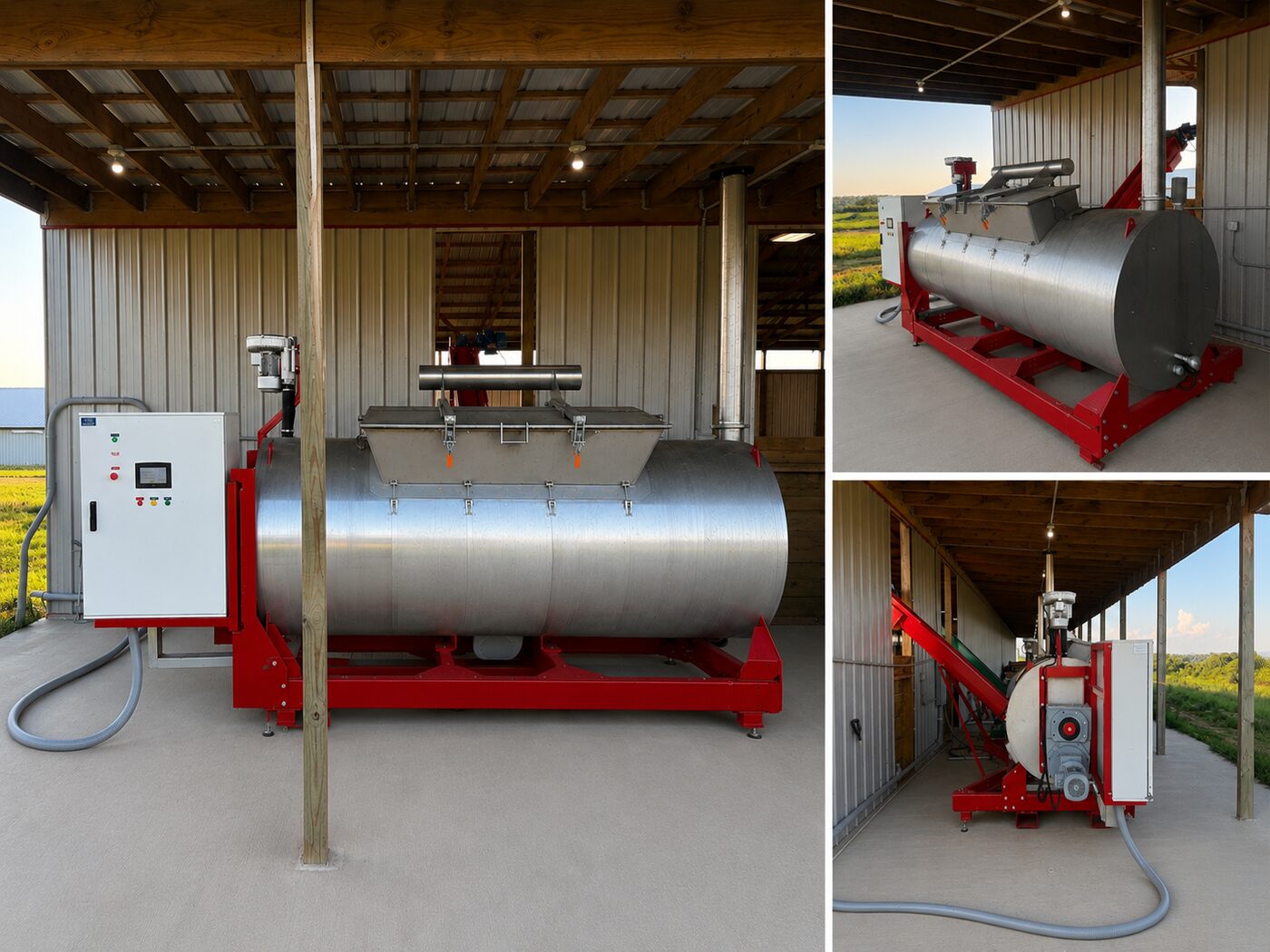
MAOF 2250L poultry mortality dehydrator at a commercial installation
On-site thermal dehydration · MAOF 2250L
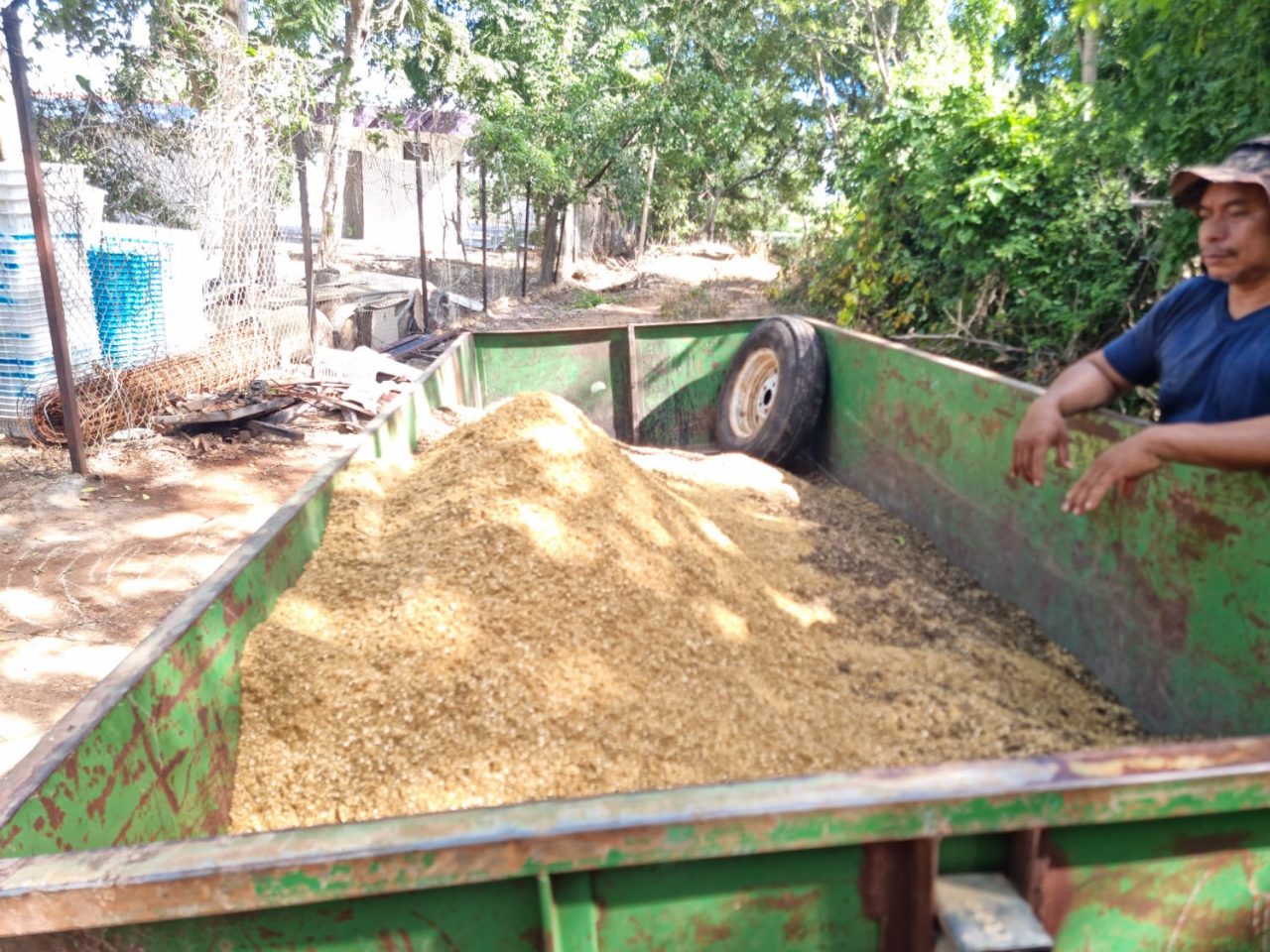
Dry stabilized material after thermal dehydration
The resulting dry, stabilized material

Rendering

External processing

Transfers carcasses to a central facility that produces usable protein and fat products.

Advantages

  • Creates valuable by-products
  • Established large-scale process
  • Effective pathogen treatment

Considerations

  • Collection and transport required
  • Third-party vehicles may enter the site
  • Availability depends on location

Composting

Biological process

Combines carcasses with carbon material and relies on managed biological decomposition.

Advantages

  • Relatively low equipment cost
  • Produces nutrient-rich compost
  • Can be scaled on farm

Considerations

  • Requires space and carbon material
  • Management takes time
  • Odour can be a major operational and neighbour concern
  • Poor management can cause leachate, flies and scavengers

Incineration

Combustion

Burns carcasses at high temperature and leaves a small quantity of ash.

Advantages

  • Major volume reduction
  • Rapid processing
  • Can operate on site

Considerations

  • Fuel and equipment costs
  • Ash requires handling and disposal
  • Smoke, soot and emissions can create a dirty operating environment
  • Cleaning and emissions-control maintenance are required

Burial

Land disposal

Places mortality in an approved pit or trench where local regulations and site conditions permit.

Advantages

  • Simple method
  • Limited machinery
  • Low immediate cost

Considerations

  • Groundwater and soil concerns
  • Land requirement
  • Restrictions vary by jurisdiction
!
Regulation comes first

Permitted mortality-disposal methods and rules for handling the resulting material differ by country and region. Confirm the applicable veterinary and environmental requirements before selecting a method.

Evaluate MAOF

See what on-site dehydration could mean for your operation.

Use your own flock assumptions and electricity tariff to prepare an initial operating-cost estimate.

Open the Planning Calculator