
Load
Collected poultry mortalities, eggs or hatchery by-products are loaded through the wide top opening. The selected model must be operated within its recommended load range.
How it works
The MAOF system combines controlled electrical heating, continuous mixing and automated monitoring in one enclosed on-site process—from fresh poultry mortality to a dry, stabilized output.
One enclosed cycle
MAOF is designed to process mortality close to where it occurs. Manual work is concentrated at loading and output collection; heating, mixing and monitoring take place automatically inside the machine.
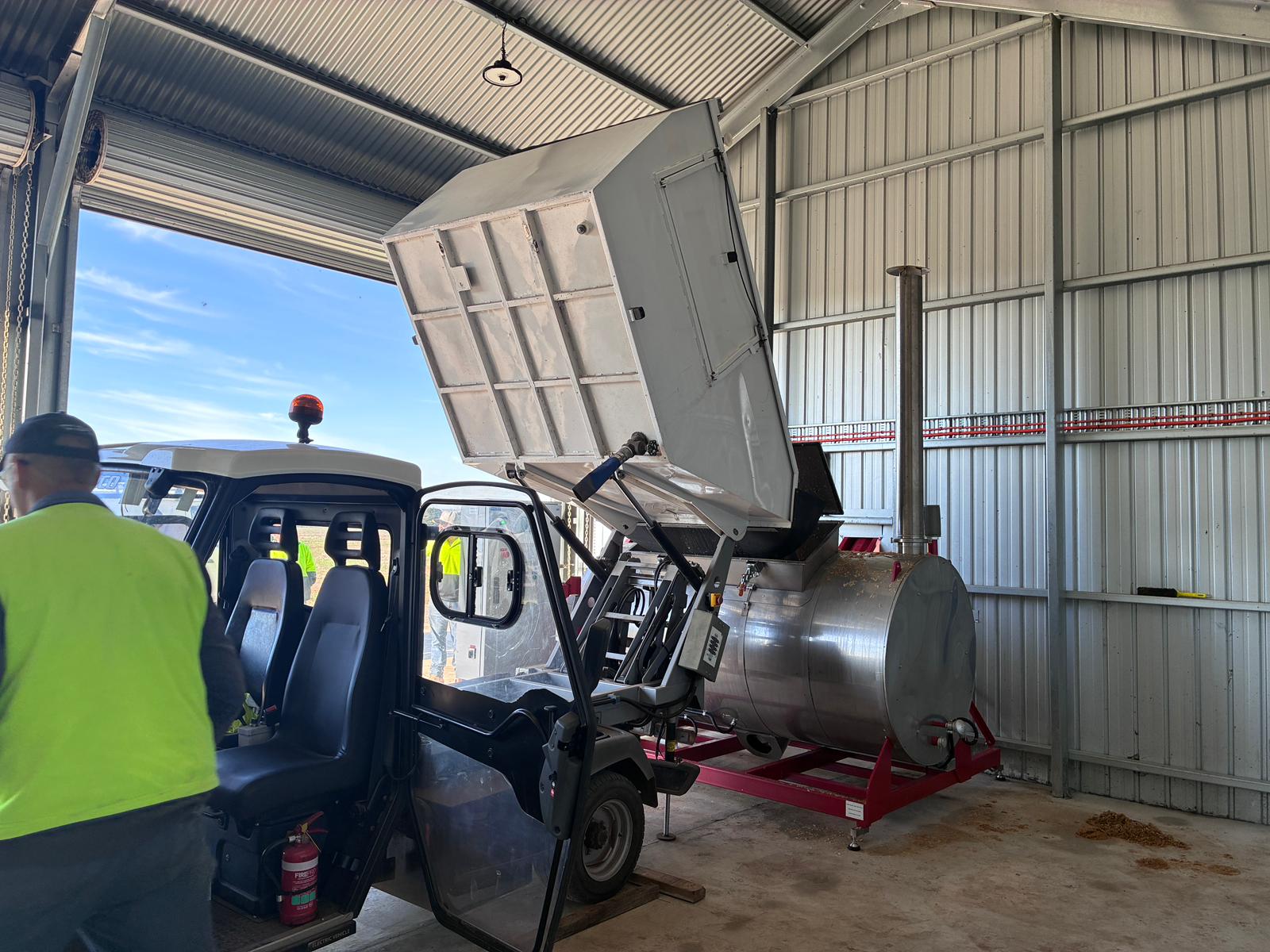
Designed for the farm
The wide loading opening is positioned for practical access. Once the door is secured and the program starts, the machine controls the thermal dehydration process without continuous operator attendance.
Loading routines vary between sites. Collection routes, lifting equipment, daily volume and the distance from the poultry houses should all be considered during installation planning.
A typical daily routine
Many poultry growers collect daily mortality during the morning farm routine and load the MAOF system shortly afterwards. The automated dehydration cycle then operates through the day and overnight.
The following morning, the operator returns and discharges the dry output—typically taking around 15–20 minutes—before reloading the machine with the next collection.
Collected poultry mortalities, eggs or hatchery by-products are loaded through the wide top opening. The selected model must be operated within its recommended load range.
The operator closes the loading door, selects the appropriate program and starts the automated cycle. The safety interlock prevents operation when the door is not secured.
Electrical heating raises the chamber to the controlled operating range (90–95°C), while the mixing system continually moves the material, breaking down bones, shells and feathers. The insulated chamber retains heat and limits external surface temperatures for safe routine contact during normal operation; operators must still follow the supplied safety instructions.
Moisture is released through the exhaust as water vapour (steam). There is no combustion, fuel flame or smoke, and the material remains inside the enclosed processing chamber.
The control panel displays the current weight, target weight, process progress and estimated completion time. The machine operates according to the selected remaining-weight target or programmed time. If the material is still too moist, the operator can add further processing time.
The ejection screw transfers the dry, stabilized material into a suitable bag or container, ready for handling in accordance with the operation’s approved management route.
Operator control
The control system combines live weight and temperature monitoring with adjustable process settings, giving the operator a clear view of progress without continuous attention.
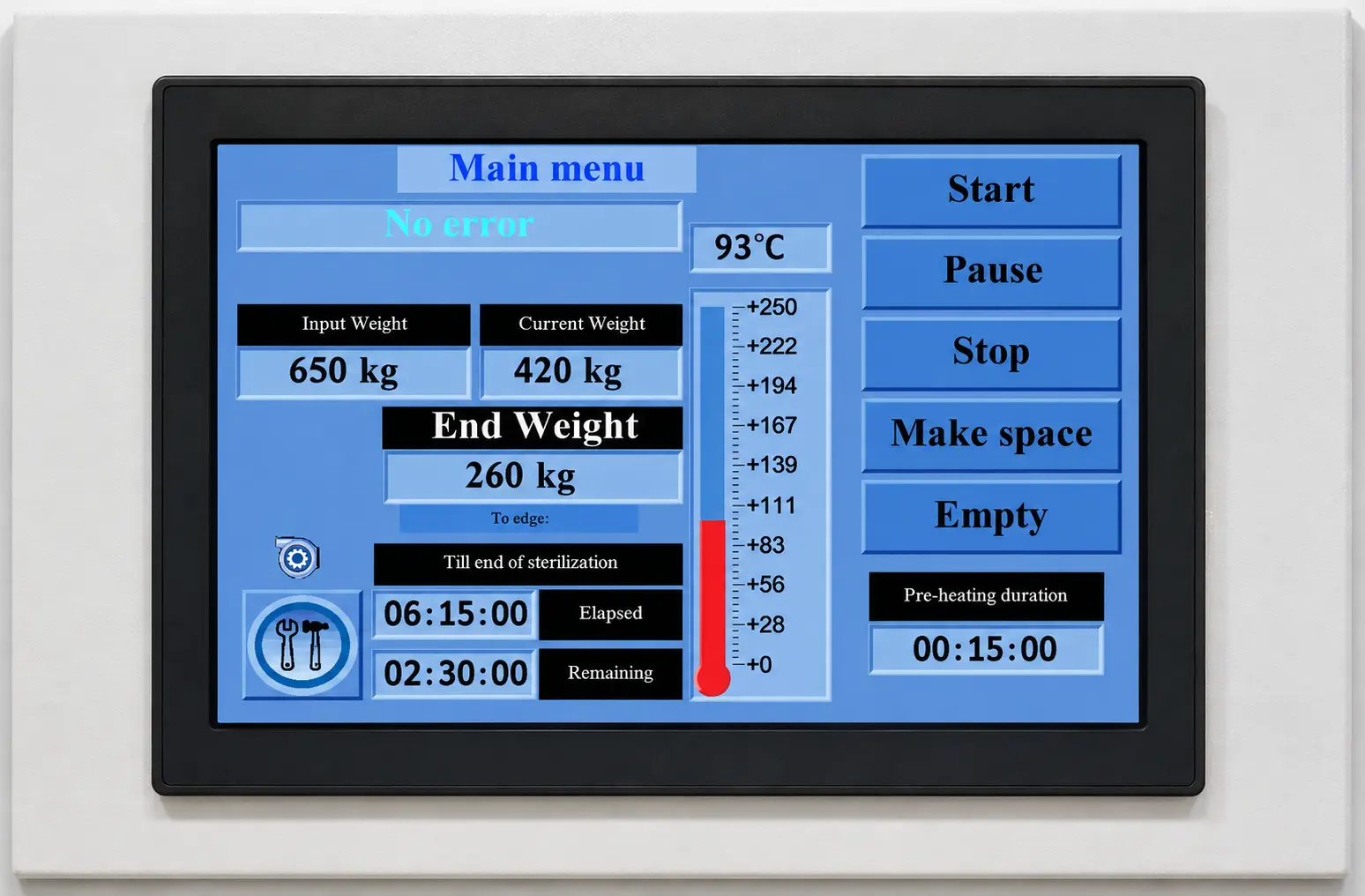
The panel displays the current and target weight, chamber temperature, elapsed time and estimated remaining time.
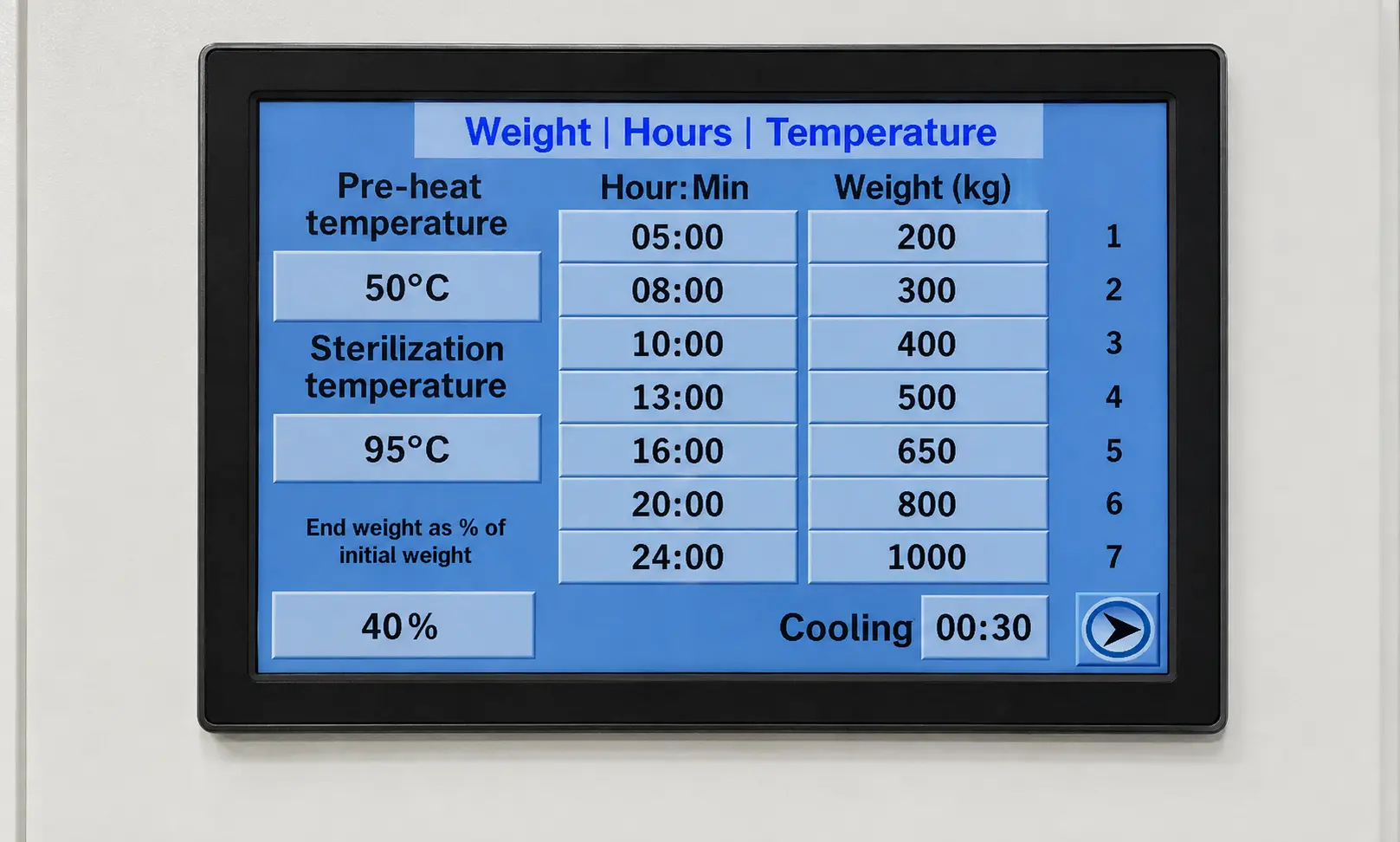
Temperature, processing time and the remaining-weight target can be configured for the material and load.
Screen appearance and available settings may vary by model and configuration.
Inside the chamber
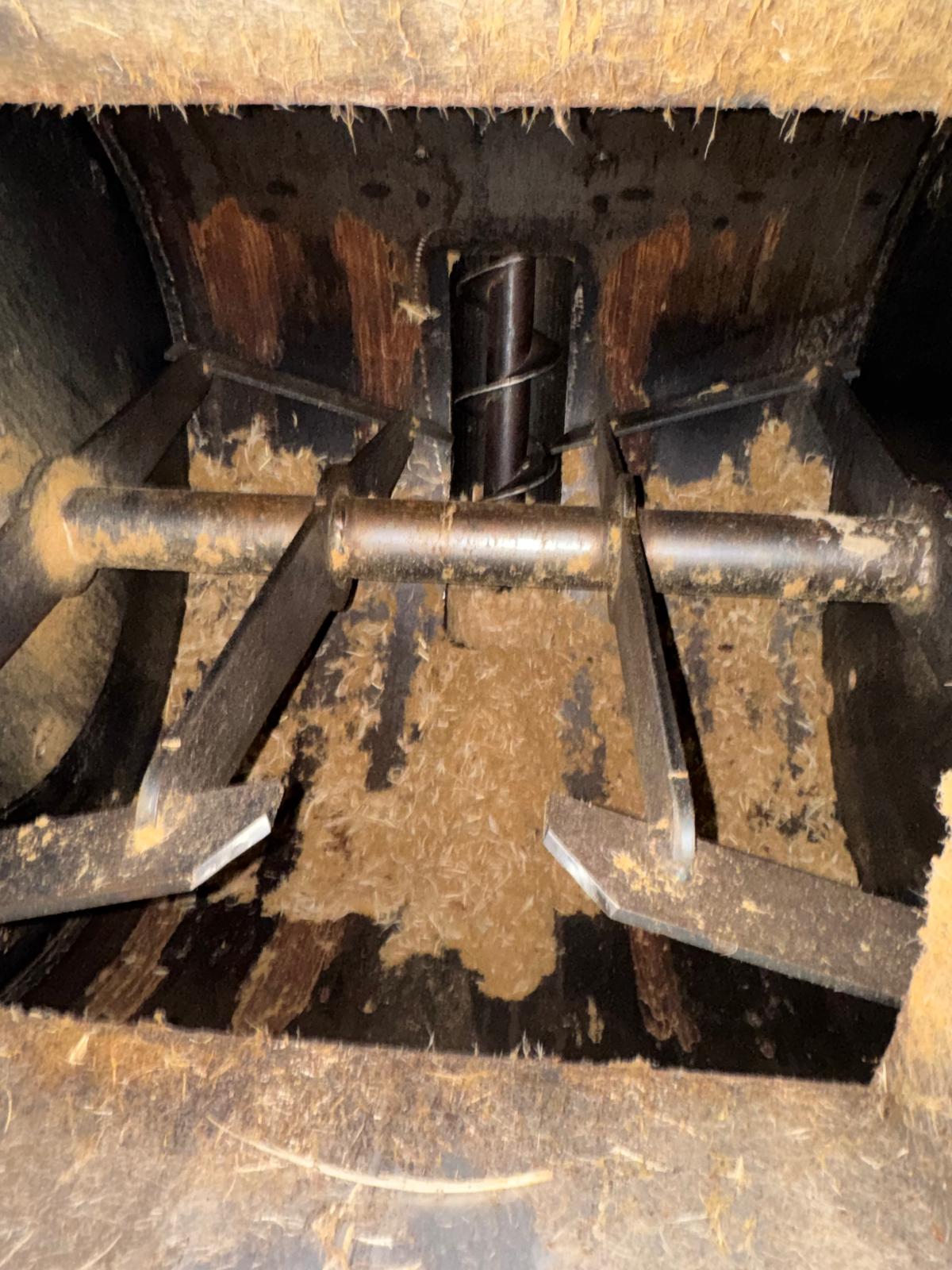
Temperature alone does not describe the MAOF process. The combination of sustained heating and continuous mixing exposes the material throughout the cycle while moisture is progressively removed.
The system normally operates at approximately 90–95°C. A full load in the 1500L or 2250L model typically requires around 18–20 hours to reach approximately 40% of its original weight, though actual performance varies.
Control and safety
The mixing system cannot operate while the loading door is open.
Operating programs control heating and mixing according to the selected process settings.
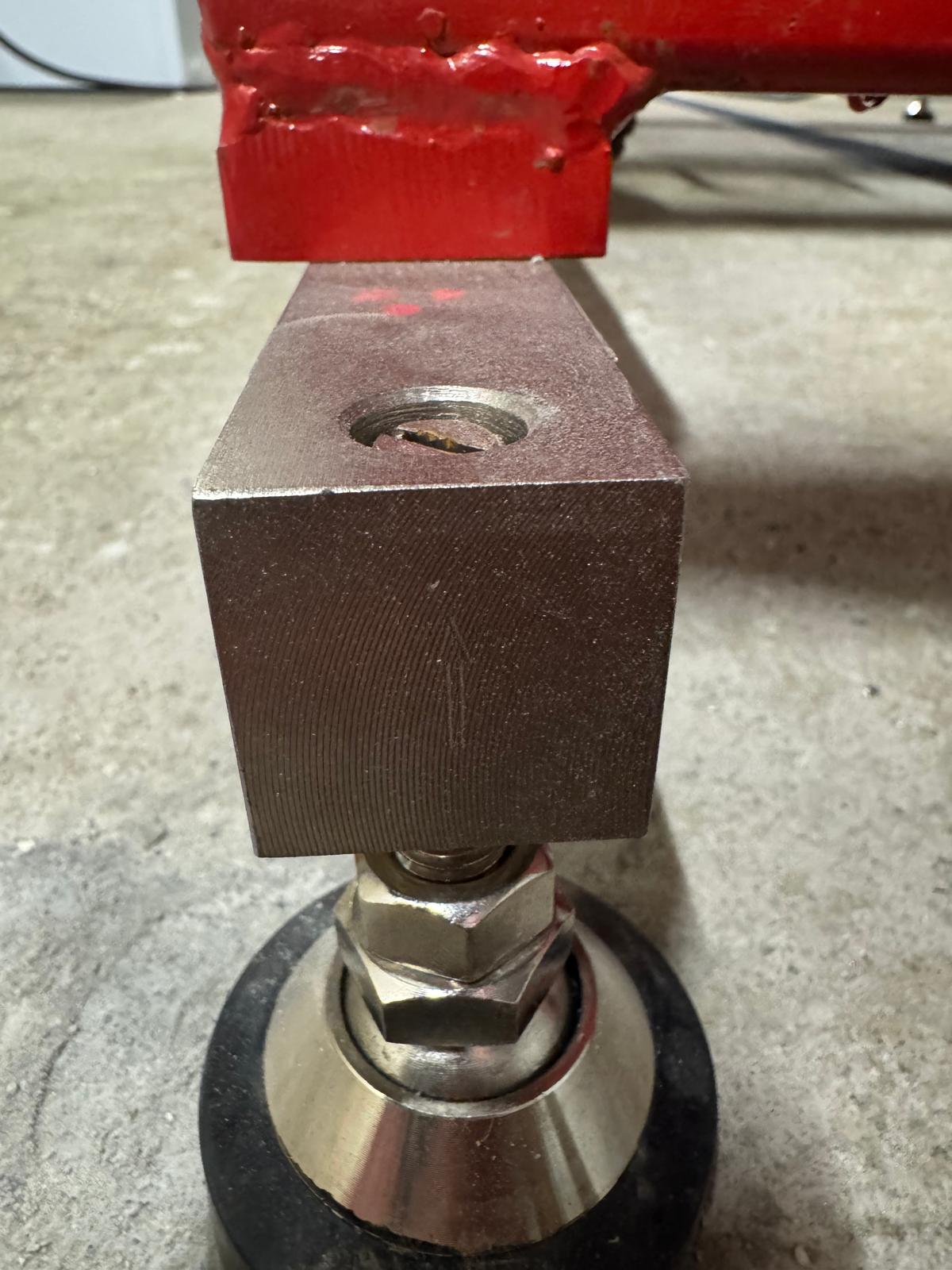
On weighing-equipped models, integrated load cells monitor remaining weight, allowing the machine to stop at the selected target and operate only for the time required for that load. The economical 250L is timer-controlled and does not use load cells.
The operator controls the ejection screw and can pause discharge to replace a bag or container.
Weight-controlled efficiency
On weighing-equipped MAOF models, load cells continuously measure the remaining load. The control system compares the current weight with the operator’s selected target and stops the process when that target is reached.
This avoids unnecessary energy use and excessive drying. The 250L is the economical exception: it is timer-controlled and does not include the weighing system.
The result
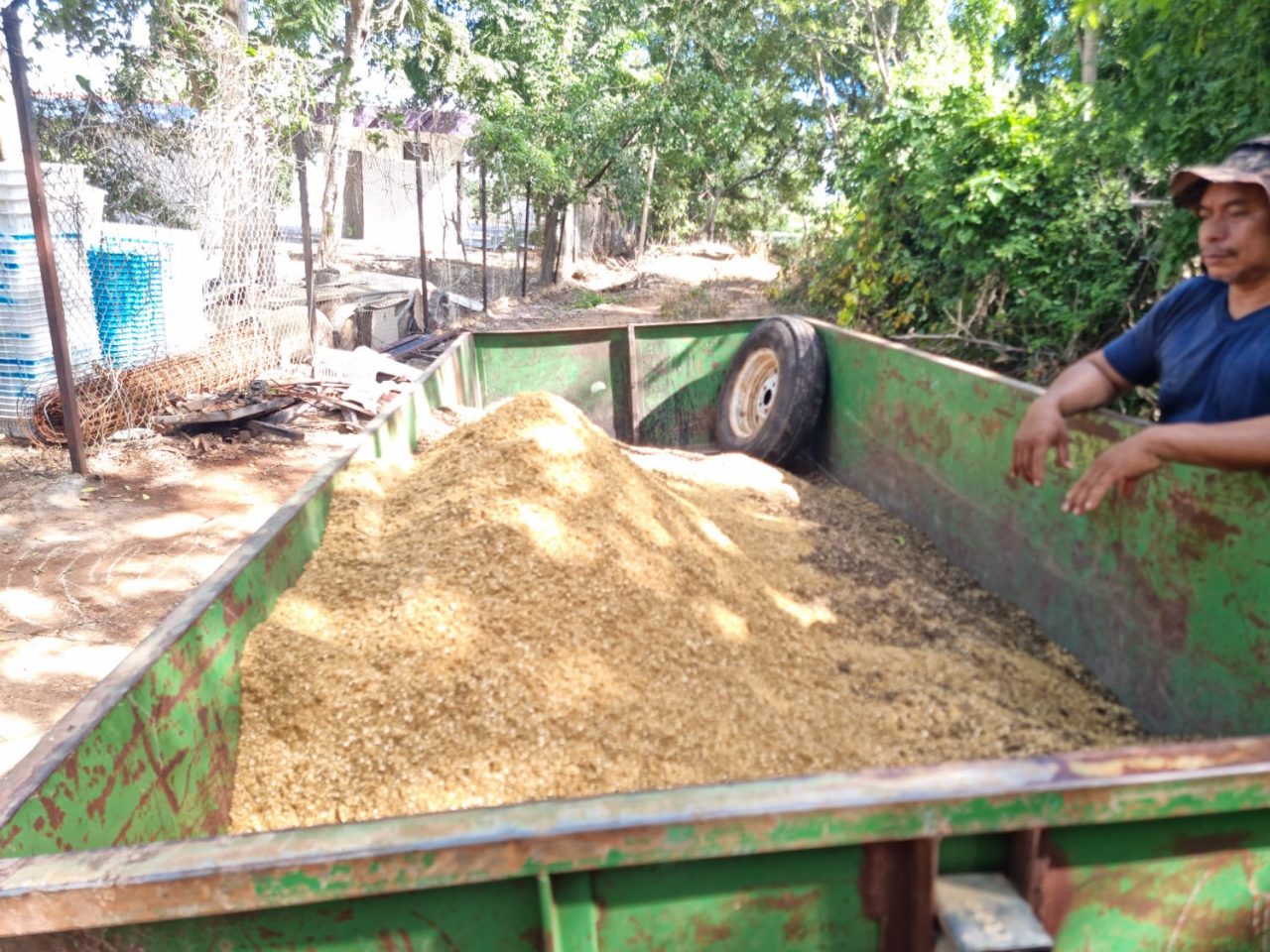
The usual target is approximately 40% of the original fresh-load weight. This is a remaining-weight target, not a moisture percentage. The final output is dry, stabilized organic material whose permitted handling and use depend on local requirements.
Explore The OutputMatch the process to your operation
Compare the MAOF models, then discuss mortality volumes, available electrical supply and the proposed installation area with our team.